

Fishing with Go Fish Africa in Angola
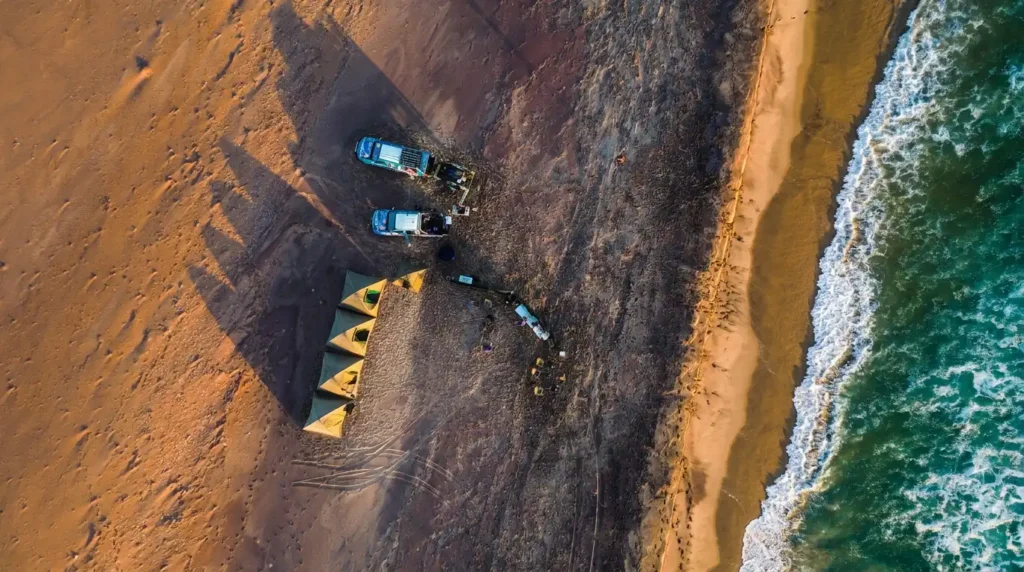
Southern Angola
Experience an authentic African adventure in a remote location of Southern Angola with a high-quality tented camp setup, including warm water and electricity. We provide all meals and some soft drinks. Beer is available for purchase. The trip primarily focuses on spin fishing, with some opportunities for bait fishing if ...
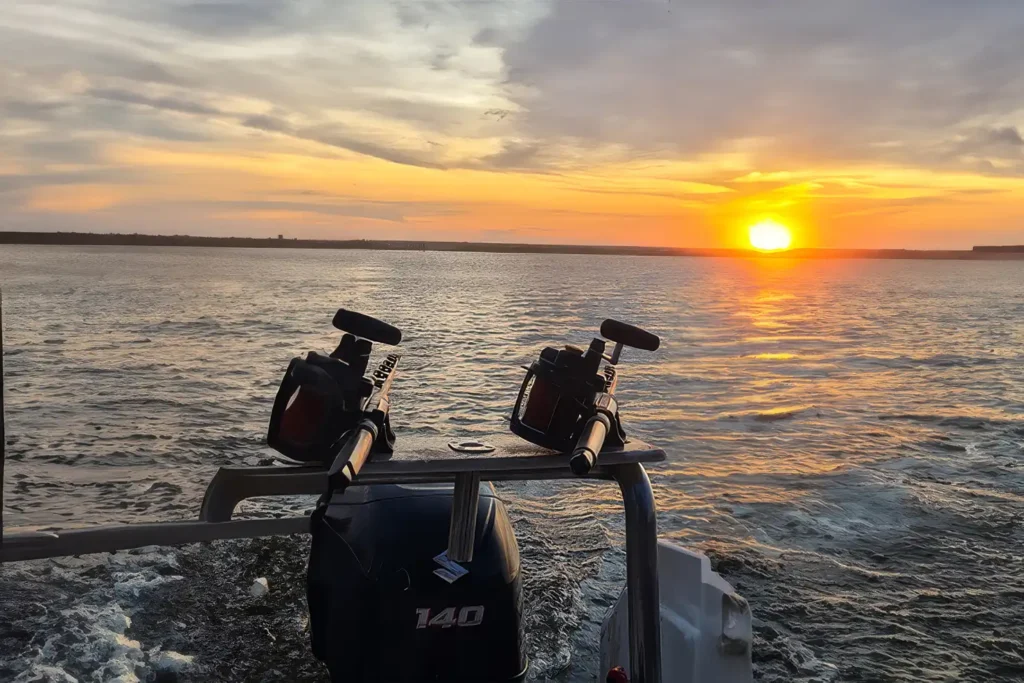
Northern Angola
This is predominantly a boat fishing destination, and certainly, Angola is renowned for its fantastic fishing opportunities, and the Kwanza Lodge is one of the best places to experience it. The Kwanza River, which runs alongside the lodge, is one of the largest rivers in Angola, and it’s teeming with ...
Tour Dates Northern Angola
2027
-
17 Feb - 24 Feb
-
24 Feb - 03 Mar
Tour Dates Southern Angola
2027
-
25 May – 01 JuneNEW (6 spots)
-
03-10 JuneNEW (3 spots left)
-
12-19 June(sold out)
-
21-28 June(sold out)
-
30 June -7 July(sold out)
-
9-16 July(sold out)
-
19-26 July(1 spot )
-
29 July – 05 AugNEW (1 spot left)
-
08 -15 Aug New(sold out)
2028
-
03-10 June
-
12-19 June
-
21-28 June
-
30 June-7 July
-
9-16 July
Angola Fishing Tours: Remote Fishing Adventures in the North and South
Angola is a destination for anglers who want to explore beyond familiar fishing grounds. Its Atlantic coastline stretches between tropical river country in the north and the desert-fringed shore of Namibe Province in the south. The landscapes, fishing methods and seasonal patterns are different in each region, giving anglers two distinct experiences.
Go Fish Africa’s northern trip is based around the Kwanza River and its Atlantic estuary, south of Luanda. The southern trip explores remote shore-fishing grounds along the Namibe coast. Both are guided adventures, planned around local knowledge, seasonal fish activity, tides and sea conditions.
Northern Angola: Kwanza River, estuary and Atlantic coast
The Northern Angola fishing experience centres on the Kwanza River, one of Angola’s major waterways. Near its mouth, river, estuary and ocean environments meet. This gives anglers the chance to fish different types of water during a trip, including river and shore sessions as well as offshore fishing by boat.
The northern landscape is green and tropical by comparison with the south. The broad river and coastal scenery create a striking setting for fishing, while Luanda provides an urban gateway before the journey continues to the Kwanza region.
Southern Angola: Namibe’s desert coast and surf fishing
In the south, the Atlantic meets a stark coastal desert of dunes, rocky ground and long, open beaches. Fishing takes place from shore, with guides reading the surf, tide and coastline to select the day’s fishing areas. It is a very different experience from the river and boat fishing of the north: anglers spend time casting into the surf, with the desert and ocean forming the backdrop.
Southern Angola’s Namibe coast is associated with species including West Coast dusky kob, known locally as kob; leerfish, also called garrick; and shad. Go Fish Africa’s Southern Angola tour also lists pink cracker, rays, sharks and rock cod among species anglers may encounter. Actual catches depend on conditions and season.
Best time to fish in Southern Angola
Go Fish Africa’s current Southern Angola trip information places its main fishing season in the cooler months, generally May to September. Published recreational-fishery monitoring from the Namibe coast has also covered a May-to-October season. Expect cooler conditions than in the tropical north: bring warm layers for early starts, evenings and windy days, and confirm dates with the tour team before booking.
Places to explore in and around Namibe
The southern coast offers memorable landscape and cultural extensions for travellers with extra time:
- Iona National Park: Angola’s largest protected area, around 200 kilometres from the city of Namibe. Its landscapes include desert, mountains, coast and river environments. Welwitschia plants and oryx are among its distinctive natural features. Access and facilities can be limited, so visits should be planned with an experienced local operator.
- Welwitschia mirabilis: This remarkable desert plant is one of the region’s best-known natural icons.
- Lagoa dos Arcos: An oasis landscape with lagoons and natural sandstone arches, offering a striking contrast to the surrounding arid terrain.
- Baía dos Tigres and Ilha dos Tigres: A remote coastal landmark near Tômbua, known for its desert setting, marine life and abandoned settlement. This is an expedition-style excursion, not a casual side trip; access can be difficult and should be arranged with local guidance.
- Moçâmedes (Namibe city): The provincial capital offers a harbour setting, coastal promenade, fishing heritage and historic architecture.
- Lubango, Serra da Leba and Tundavala: These highland attractions make a rewarding inland extension, with mountain scenery and sweeping escarpment views. They are a separate journey from the Namibe fishing coast.
The official Angolan tourism and conservation sources describe Iona’s remote desert terrain and limited visitor infrastructure. Plan these excursions in advance and check access locally.
Item 1
Item 2
Item 3
Item 4
Best time to fish in Northern Angola
The best time depends on the species and style of fishing you have in mind. Fishing operators identify November to April as a strong period for tarpon and offshore species, with February to April often highlighted for peak tarpon and blue-water fishing. African threadfin, jacks and some snapper fishing can be especially productive in the cooler months, broadly May to September. These are planning windows rather than guarantees: fish activity, weather and sea conditions vary from year to year.
| Northern Angola fishing window | What anglers may target |
|---|---|
| November–April | Tarpon and offshore species such as sailfish, marlin, dorado and snapper |
| February–April | A commonly favoured period for tarpon and blue-water fishing |
| May–September | African threadfin, jacks, mirrorfish and other river or nearshore species |
Possible target species include tarpon, African threadfin, sailfish, marlin, long- and shortfin jacks, mirrorfish, snappers, amberjack, dorado and corvina. The fishing programme may combine lure fishing, bait fishing, river fishing and offshore sessions, depending on the trip and conditions. Species availability varies, and no particular catch can be guaranteed. Go Fish Africa’s published northern itinerary includes boat fishing and a shore-fishing day.
Places to explore near the Kwanza
There are several worthwhile excursions in the wider Luanda and Kwanza region:
- Miradouro da Lua: A coastal viewpoint where wind and rain have carved the cliffs into layered, moon-like formations. It is a natural stop on the road south from Luanda.
- Barra do Kwanza: The river mouth, where the Kwanza meets the Atlantic, offers a scenic change of pace and opportunities for boat trips and riverside dining.
- Kissama (Quiçama) National Park: A large coastal park south of Luanda, with savannah, riverine and woodland habitats. Guided safaris offer a chance to see Angola’s wildlife.
- Muxima: A historic settlement on the Kwanza River, known for its church and pilgrimage tradition.
- Kalandula Falls and the Black Rocks of Pungo Andongo: Dramatic inland sights in Malanje Province. These are better treated as a separate extension, with additional travel time, rather than a quick outing from the fishing lodge.
Miradouro da Lua, Barra do Kwanza and Kissama are among the more practical additions to a Luanda or Kwanza itinerary. Kalandula Falls and Pungo Andongo are much farther inland.
Which Angola fishing trip is right for you?
Choose Northern Angola if you want a varied fishing programme that can include river, shore and boat fishing, with warm-water species and excursions around Luanda and the Kwanza region.
Choose Southern Angola if you are drawn to surf fishing, open beaches, desert scenery and the challenge of fishing a remote coastline with a guide.
Both destinations reward anglers who are comfortable with changing conditions and willing to adapt the day’s plan. The fishing is part of a wider adventure: a chance to experience Angola’s coast, landscapes and wildlife as well as its remarkable fishing potential.
Planning your Angola fishing adventure
Angola is a large country, and attractions that look close together on a map may require significant travel time. Some southern excursions involve remote roads and limited services; park visits and trips to places such as Baía dos Tigres need advance planning. Ask Go Fish Africa about current tour dates, transfers, included equipment, travel requirements and optional sightseeing before confirming your trip. Road conditions outside major centres can vary, so guided transport is recommended for remote routes.
F.A.Q.
ANGOLA
Visa requirements depend on your passport and the length and purpose of your visit. South African citizens are listed as exempt from short-stay tourist visa requirements on Angola’s official migration service website. The portal also lists many other nationalities as exempt for stays of up to 30 days per entry and 90 days per year. Check the current rules for your passport with the Angolan consulate or migration service before booking.
Check the requirements for your nationality, airline and any visa you need. Angola’s official visa portal states that visa applicants need a passport valid for at least six months. It is sensible to travel with a passport that has ample validity and spare pages, and to confirm the exact requirement before departure.
Angola’s current CDC travel information says yellow fever vaccination is required for arriving travellers aged nine months and older. The CDC also recommends the vaccine for travellers to Angola. Check with a travel-health clinic about your personal suitability, timing and certificate, and verify any requirements for your transit countries as well.
Start checking several weeks before departure. Ask a travel-health professional about recommended vaccinations, malaria prevention and any personal health precautions. Recheck official entry information shortly before travelling, as requirements can change.